Replay: OR + WA Team 3.2.26 Local Stats
The Power of the Pause: A Lesson from Deals That Didn’t Go the Way We Planned
One of the most valuable conversations in our recent meeting came from reflecting on the deals that didn’t quite work out.
When transactions turn into what we often call “head-scratchers,” it’s tempting to blame the market, the other agent, or the circumstances around the deal. But one insight stood out clearly: many setbacks happen when we operate in reaction mode instead of response mode.
When we’re juggling too many things at once—texts coming in, emails flying, clients asking questions—it’s easy to rush into decisions. That’s when mistakes happen. The reminder shared in our discussion was simple but powerful: pause first.
Taking a breath before responding to a negotiation, a price discussion, or a challenging client moment can completely change the outcome. That small pause gives you space to evaluate the situation, look at the data, and respond intentionally rather than emotionally.
This reflection also opened the door to a broader question worth asking in any business:
When deals don’t come together, is there a common denominator?
Sometimes the pattern shows up in pricing strategy. Sometimes it’s in how feedback is communicated to sellers. And sometimes it’s about our own conviction when presenting a plan.
The takeaway isn’t to dwell on what could have been done differently—it’s to identify the lesson and apply it to the next opportunity. The best professionals consistently step back, evaluate what worked and what didn’t, and refine their approach.
Because the difference between reacting and responding often comes down to one simple habit:
The willingness to pause.
A key theme of the discussion was the importance of knowing and communicating market data with confidence.
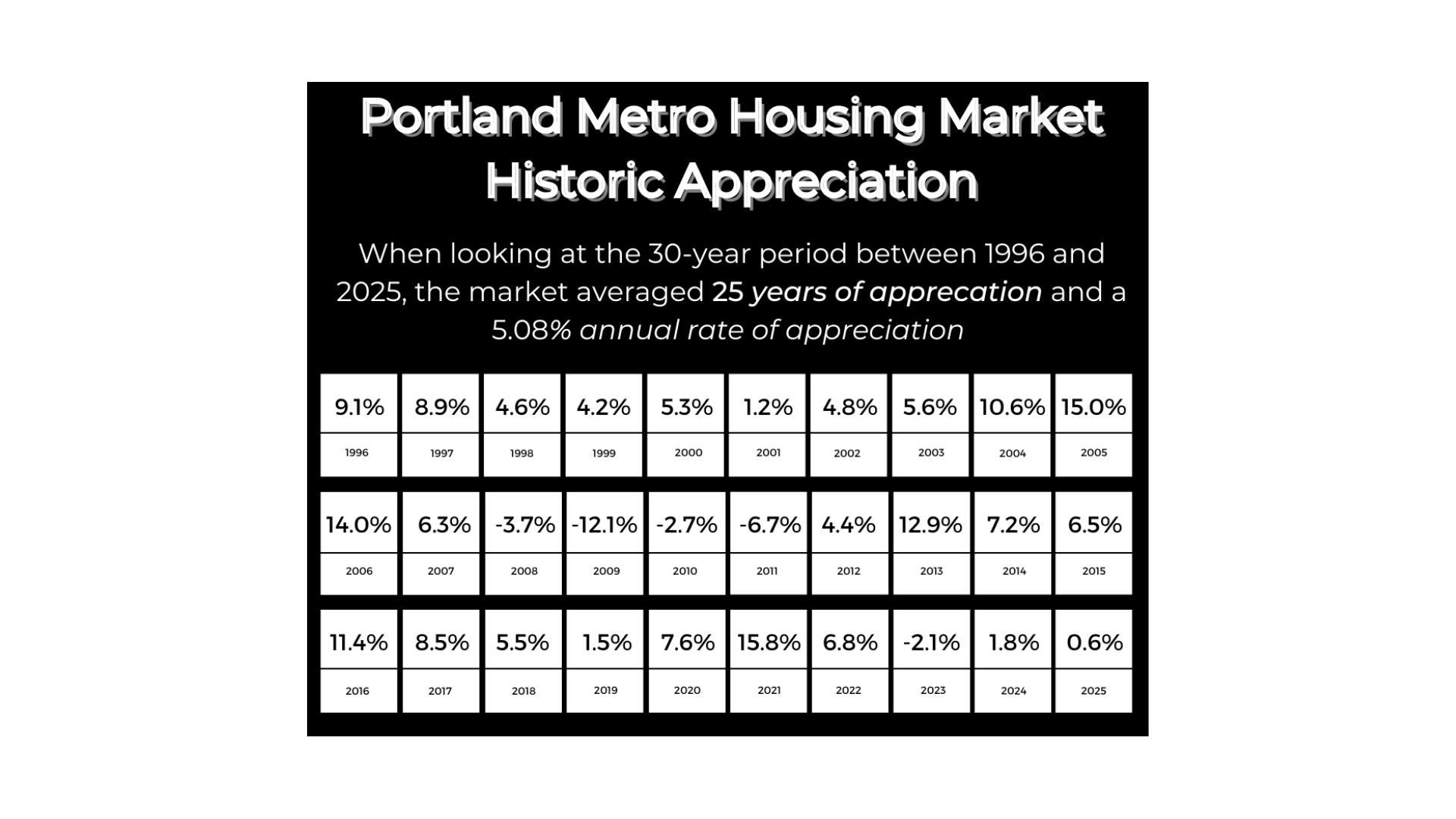
Agents were encouraged to lean into understanding their micro-markets so they can guide clients through pricing conversations with clarity. Recent appreciation trends show that home values are no longer increasing at the historical pace many sellers expect, making it critical to reset expectations and price strategically from the start. With inventory rising to nearly five months and the average days on market around 90, the market is stabilizing and behaving more like a neutral environment than the rapid seller’s market of 2021–2022.
To adapt, agents were encouraged to implement a 14-day listing cadence—closely monitoring activity, providing regular feedback, and revisiting pricing early if necessary. Practical strategies included setting sellers up on listing alerts so they can see real-time competition, using MLS activity reports to support conversations, and even leveraging tools like ChatGPT to help interpret CMAs and market trends. The goal is simple: when agents understand the data, they can communicate pricing, expectations, and strategy far more effectively with both buyers and sellers.
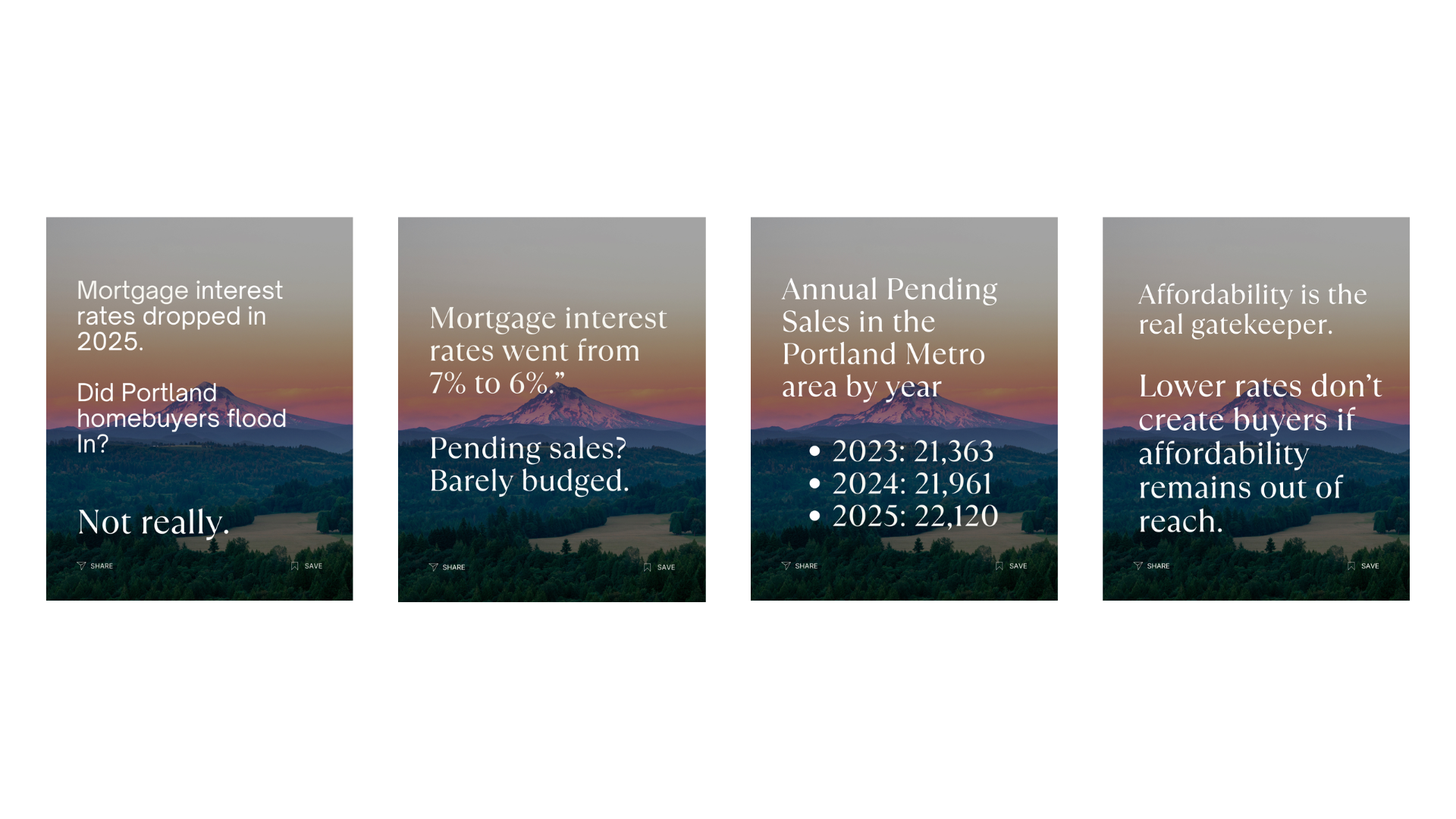
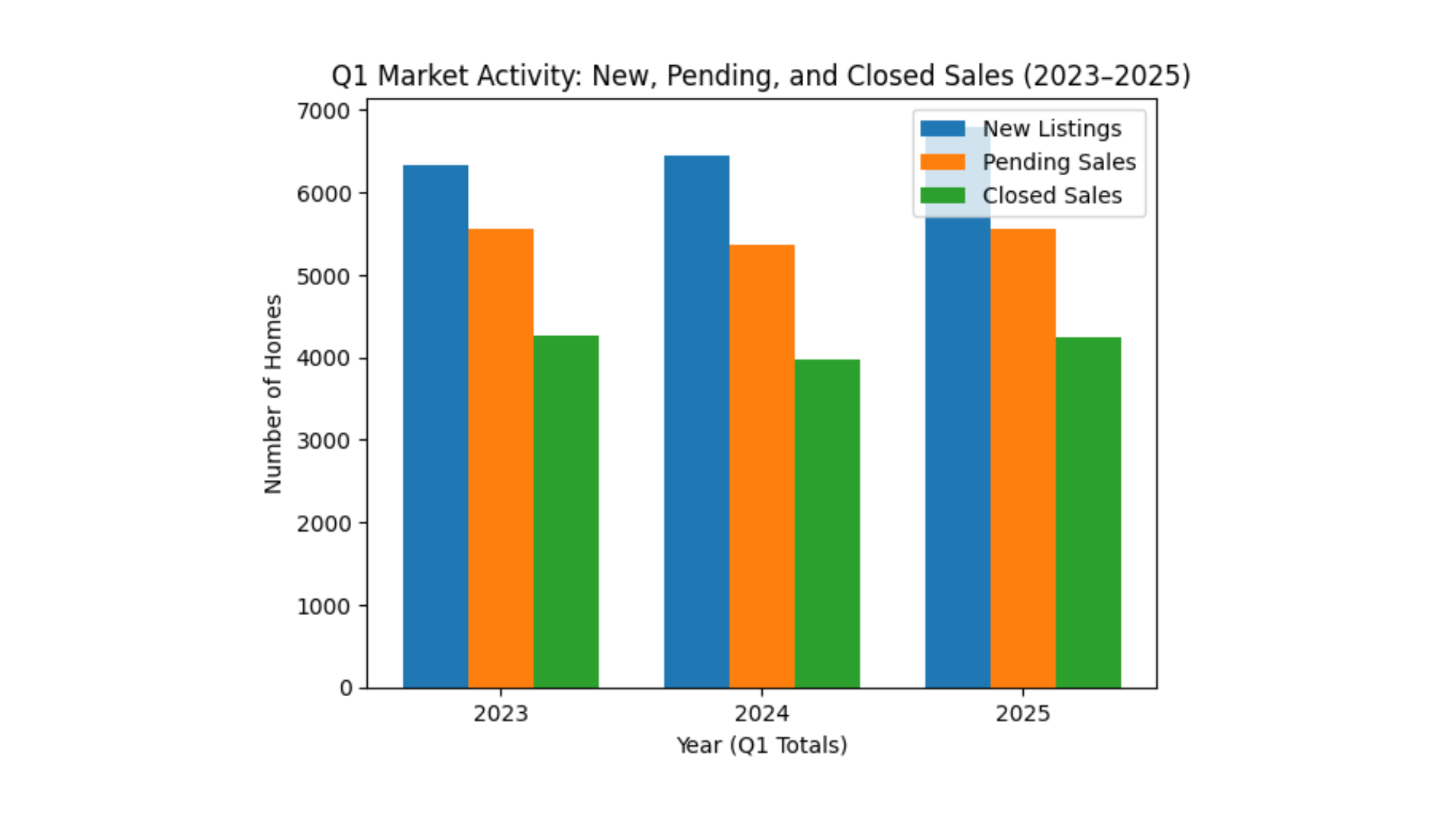
Here are the graphs that we chatted about in the Monday OR + WA team huddle.